SalesBot is a new sales channel built around conversation
SalesBot turns chat into a sales channel by answering questions, checking inventory, taking orders, and moving customers from interest to checkout inside the conversation.
Most online stores still treat conversation as support. A customer asks a question, someone replies, and then the customer is sent back to the website to figure out the rest.
That is a strange way to sell.
If someone is already asking about a product, size, delivery date, stock level, payment method, or repeat order, they are not browsing casually anymore. They are close to buying. The conversation is the sales channel.
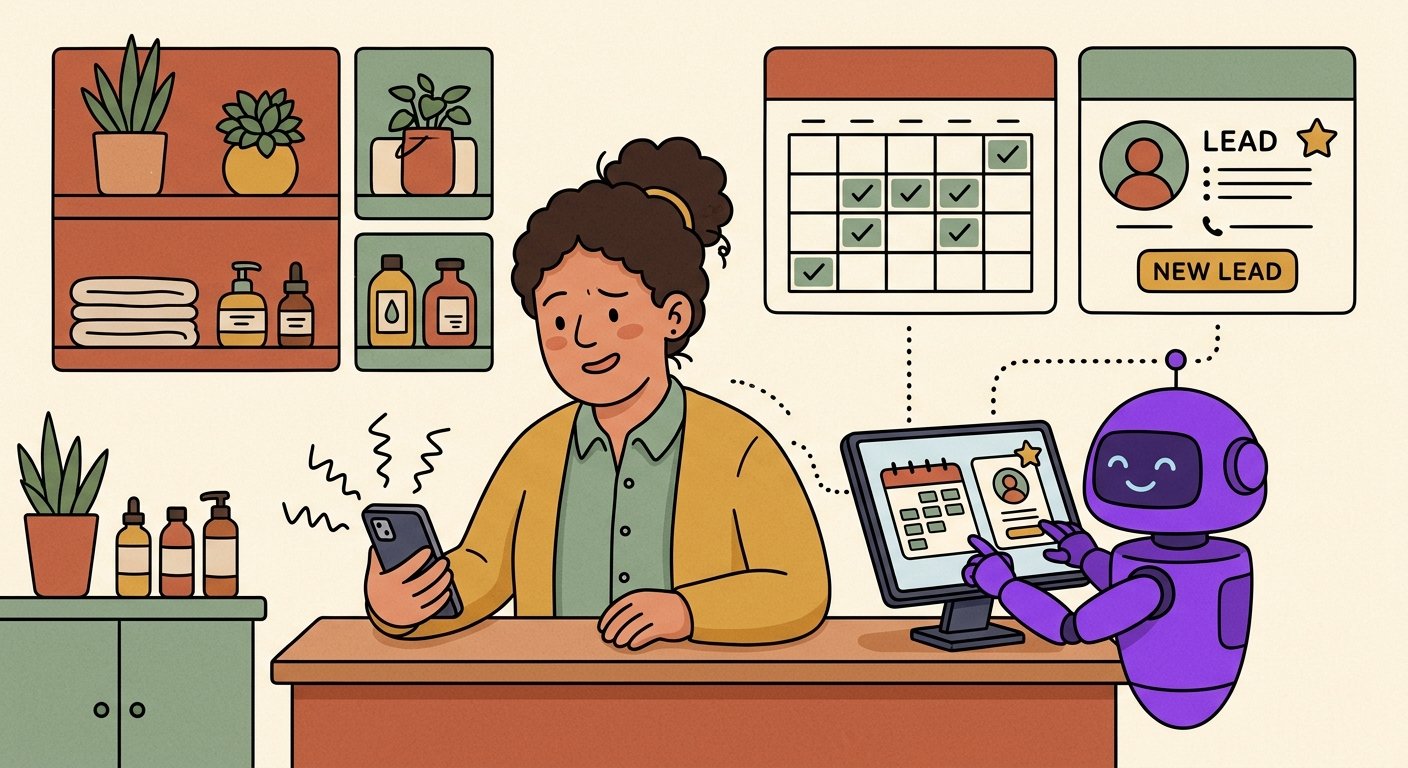
SalesBot is built around that idea. It gives a business an AI sales assistant that can live on the website, Telegram, and WhatsApp, answer product questions, check live inventory, guide the customer through an order, and push the customer toward payment without waiting for a human to be online.
This is not a chatbot that says "please contact us" after three messages. It is closer to a junior sales rep that knows the catalog, remembers the process, and never leaves the inbox unattended.
Why conversation sells differently
A product page is static. It can show photos, specs, and prices, but it cannot easily handle hesitation.
A customer may ask:
- "Do you have this in blue?"
- "Can it arrive by Friday?"
- "Which one is better for a small office?"
- "Can I reorder what I bought last month?"
- "Do you take card payments?"
Those questions are not noise. They are buying signals.
A good salesperson knows this. They do not send the customer to a FAQ page. They answer, narrow the choice, remove doubt, and make the next step obvious.
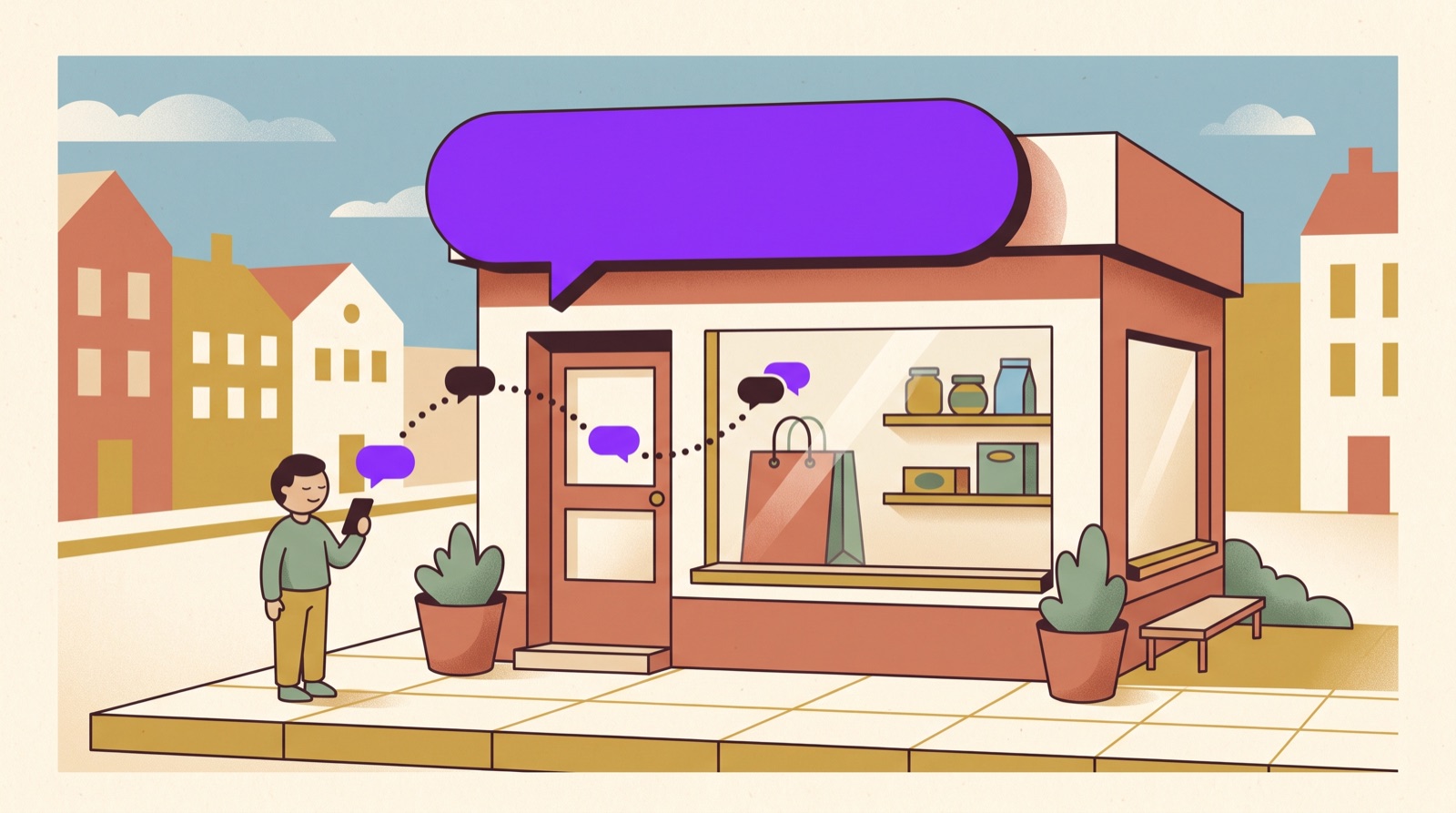
SalesBot brings that motion into chat. The customer does not need to switch context. They can ask, decide, and order in the same flow.
What SalesBot actually does
According to the SalesBot product page, the assistant can be deployed in 48 hours after onboarding. The business handles a short setup process, while the Nextlify team configures the assistant, connects channels, and prepares it for launch.
The useful part is the scope. SalesBot is not limited to answering FAQs. It can support the sales journey:
- Website, Telegram, and WhatsApp presence
- Product catalog and inventory sync
- Order taking inside the conversation
- One tap reorder for returning customers
- Delivery status notifications through WhatsApp and email
- Stripe and İyzico payment flows
- Shopify and WooCommerce catalog sync
That combination matters. A bot that only talks creates another handoff. A sales assistant that can check stock, build an order, and guide payment removes the handoff.
For a small business, that is the difference between "we have chat" and "chat creates revenue."
The old channel map is breaking
Businesses used to think in clean channels. Website for browsing. Email for follow up. Phone for urgent questions. Storefront for buying. Social media for discovery.
Customers do not think that way. They see a product, send a message, ask a question, compare options, and buy wherever the answer feels easiest.
That is why conversational sales is becoming its own channel. It is not only customer support, and it is not only ecommerce. It sits between both.
For SMEs, this is especially important because the sales team is often tiny. The same person may answer Instagram messages, update stock, call suppliers, and process orders. A conversation driven channel gives them coverage without hiring another person for every shift.
The first response is often the sale
Speed matters because intent cools down fast. A customer who asks a buying question at night may be ready now, not tomorrow morning.
A human team can be excellent and still miss that moment. They sleep. They get busy. They forget to reply to one thread because another thread looked more urgent.
SalesBot does not solve every sales problem, but it solves one of the most common ones: the customer was interested, and nobody answered in time.
The assistant can reply instantly, collect what it needs, and move the order forward. If the customer needs something complex, the agent can hand off. But the conversation does not sit cold.
Conversation also improves the buying experience
Good sales conversations reduce choice overload. They do not force customers to scan twenty similar products. They ask what the customer needs, then suggest the most relevant option.
That is where AI sales agents can feel more personal than a normal storefront. A customer can say, "I need something under $100 for a gift" or "I bought this before and want the same again." The assistant can respond in the language of the customer, not the structure of the catalog.
This does not replace the store. It adds a guided path through the store.
What businesses should prepare before launching SalesBot
The better the business data, the better the assistant performs. Before launching, a company should clean up:
- Product names and categories
- Pricing and stock data
- Delivery rules
- Return policies
- Payment options
- Common questions and preferred answers
- Escalation rules for edge cases
This is not technical work as much as business housekeeping. If the team cannot agree on the answer to a common customer question, the agent will not magically know it.
A sales channel, not a widget
The biggest mistake is treating SalesBot as another website widget.
A widget sits in the corner. A sales channel has targets, scripts, data, follow up, and owners. It gets reviewed. It improves. It has a role in the revenue plan.
That is how SMEs should think about conversational AI. If customers are already messaging you before they buy, the inbox is part of the storefront. SalesBot makes that storefront open, consistent, and connected to the systems that complete the sale.
The future of small business ecommerce will not be only "add to cart." More often, it will be "ask, choose, and buy" in one conversation.
Source: Nextlify SalesBot page at https://nextlify.io/catalog/5?lang=en, IBM "What are AI agents?", Stanford HAI 2025 AI Index Report.
Conversational Patient Intake in Real Clinics: What The Lancet Study Teaches Practice Operators
Vertical AI is moving from dashboards to doing the work: what an AI property manager shows operators