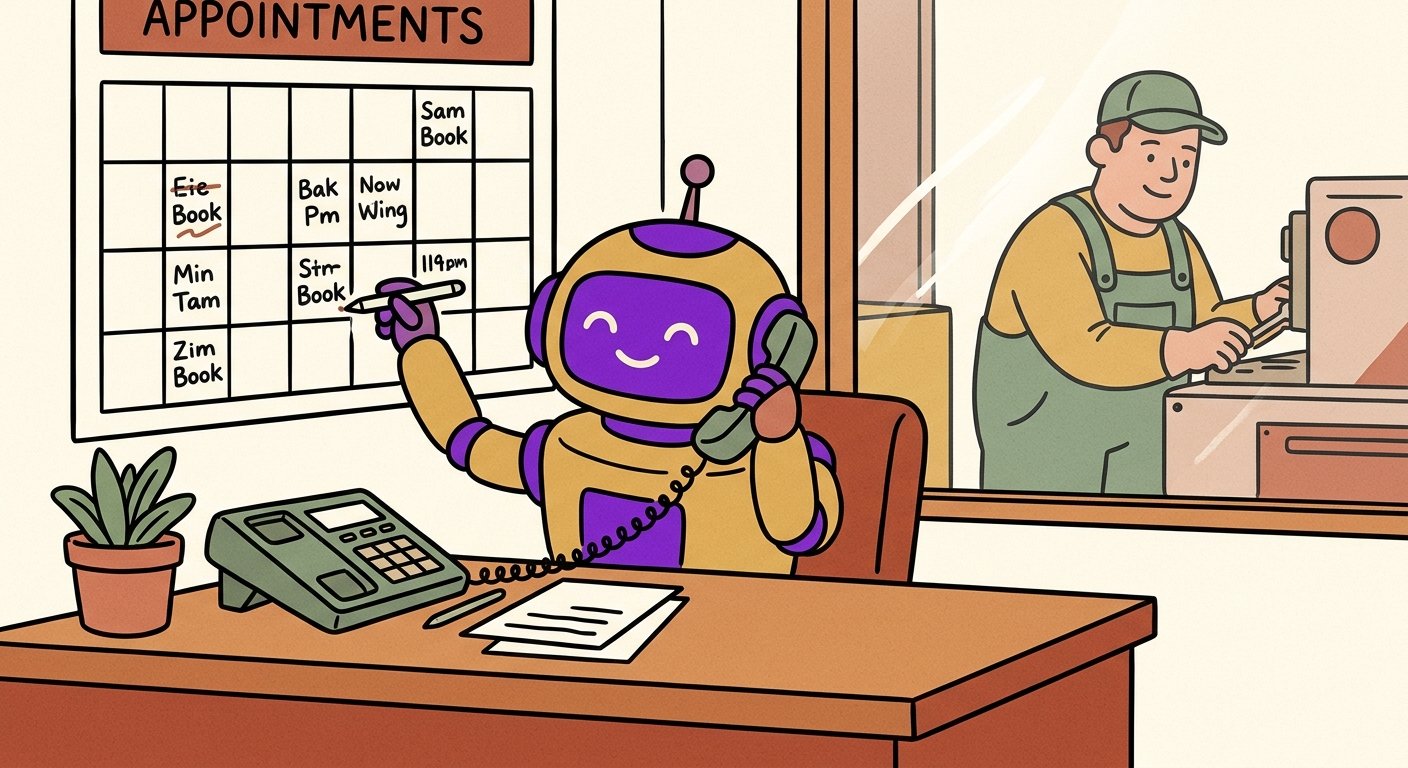
The 24/7 AI Receptionist: Why Local Service Businesses Are Replacing Voicemail with Automated Booking
Local service businesses lose up to 60% of inbound leads when calls go to voicemail. Here is how 24/7 conversational AI receptionists capture missed calls, qualify inquiries, and book jobs automatically, and why vertical-specific assistants outperform generic answering services.
The Silent Margin Killer: The Voicemail Graveyard in Local Services
For operators of local service businesses, field trades, and appointment-driven clinics, the most expensive piece of equipment in the enterprise is often the ringing smartphone sitting unattended on a workbench or truck dashboard.
Whether running an emergency plumbing outfit, an electrical contracting team, an automotive repair workshop, or a busy outpatient clinic, the operational rhythm is fundamentally hands-on. Technicians are on the tools, under floorboards, or navigating highway traffic between job sites. Practice managers and service dispatchers are occupied checking in arriving clients, ordering parts, or untangling scheduling conflicts. During these high-intensity windows, inbound calls inevitably ring out.
The traditional safety net for unanswered calls has always been voicemail. Yet in the modern on-demand service economy, voicemail is effectively an operational graveyard. Industry data consistently indicates that over 75 percent of prospective customers who encounter an automated voicemail prompt hang up immediately without leaving a message. Rather than dictating an enquiry into a digital recording, modern buyers tap the next search result on their phone and dial a competing provider.
An unanswered call is not simply a delayed conversation; in high-intent local services, it is an immediate loss of revenue and marketing acquisition spend.
The Economics of the Missed Call: Why Buyers Never Wait
To understand why traditional front-desk models are breaking down, service operators must examine the psychology and economics of the modern inbound caller. When an individual phones an emergency tradesperson, a veterinary clinic, a dentist, or a home services company, they rarely engage in casual research. They possess an urgent, high-intent problem that demands immediate resolution:
- A burst hot water unit flooding a residential laundry at 8:30 PM.
- A commercial refrigeration breakdown on a Saturday afternoon.
- An acute dental toothache requiring urgent triage before Monday morning.
- A vehicle transmission failure stranded in a suburban driveway.
In each scenario, speed to lead is the single deciding factor in customer acquisition. When an operator fails to answer within four rings, the prospect experiences instant friction. Voicemail places the administrative burden back on the caller, asking them to explain their situation without knowing when, or if, someone will return the call.
Research into lead conversion shows that businesses responding to inbound enquiries within five minutes are twenty-one times more likely to qualify and secure the customer than those that wait even thirty minutes. When response times stretch to two or three hours, the close rate drops toward zero. The prospect has already booked with another business, received an SMS confirmation, and moved on with their day.
Relying on after-hours call centres or third-party answering services has historically offered a partial fix, but with substantial drawbacks. Traditional call centres employ non-technical operators juggling hundreds of disparate client accounts. They take generic messages, misspell technical terminology, cannot consult live dispatch calendars, and rarely possess the authority to book confirmed appointments. Local business operators still bear the burden of calling back the next morning, only to discover the customer has already hired someone else.
What Emerging Regional AI Receptionists Reveal About Market Demand
The operational pain of missed calls explains the rapid emergence of dedicated vertical AI receptionists worldwide. A prominent recent example is AutoReception, an artificial intelligence receptionist launched specifically for Australian trade businesses, workshops, and healthcare clinics.
Launched to address the chronic staffing shortages and communication bottlenecks facing Australian operators, systems like AutoReception provide 24/7 call answering configured around regional requirements, including localized accents, vernacular comprehension, and direct calendar integrations. Instead of routing after-hours calls to an overseas call center or an answering machine, the platform engages callers in natural spoken dialogue, captures emergency job requirements, provides quote estimates based on pre-set parameters, and syncs confirmed bookings directly into field management platforms like ServiceM8 and Xero.
The rapid adoption of solutions like AutoReception across the Australian market highlights three structural realities that apply to local service businesses worldwide:
- Regional Nuance Matters: Callers require conversational fluency that reflects their local terminology, pricing expectations, and operational norms.
- Immediate Action Over Message Taking: Taking a message is no longer sufficient; callers expect immediate confirmation of appointment slots or scheduled emergency dispatches.
- Workflow Integration Is Mandatory: An automated phone assistant must connect seamlessly to existing operational calendars, invoicing systems, and field dispatch workflows rather than creating a secondary, siloed inbox.
Conversational AI vs. Traditional Answering Services: The Operational Shift
The transition from human call centres to autonomous conversational assistants represents a structural shift in how local enterprises manage customer acquisition.
| Operational Dimension | Traditional Call Center / Answering Service | Purpose-Built 24/7 AI Assistant |
|---|---|---|
| Availability | Restricted business hours or expensive after-hours tiers | True 24/7/365 continuous inbound availability |
| Response Latency | Variable hold times, queued queues, ring delays | Instant pick-up on first ring, zero caller queue |
| Booking Capability | Static message-taking; cannot confirm calendar slots | Direct calendar synchronization and confirmed bookings |
| Domain Knowledge | Generic scripts across hundreds of unrelated clients | Specialized knowledge of specific services and pricing |
| Instant Follow-up | Manual operator logging; delayed message dispatch | Automated real-time SMS confirmations and reminders |
| Scalability | Fixed staffing limits; drops calls during volume surges | Concurrent call handling with zero capacity bottlenecks |
When an AI receptionist answers an inbound call, it does not merely recite static FAQs. It dynamically diagnoses caller urgency, asks clarifying questions to determine job scope, checks technician availability by geographical territory, and secures a booking without human intervention.
For the field operator on a ladder or under a vehicle, this represents complete peace of mind. The business captures every qualified lead without forcing the owner to abandon billable tools or endanger safety by fielding phone calls while driving.
The 24/7 Inbound Architecture: From First Ring to Confirmed Job
Deploying conversational AI across front-office operations creates an automated, frictionless pipeline that protects customer acquisition around the clock:
1. Instant First-Ring Capture
Every inbound phone call, web chat, or SMS enquiry receives an instantaneous response. By eliminating ring-outs and hold music, the business establishes immediate authority and captures the prospect before they consider competing options.
2. Conversational Lead Qualification
The assistant guides the caller through structured, natural inquiries:
- Confirming customer location and travel radius.
- Identifying service category (e.g. routine maintenance vs. emergency dispatch).
- Clarifying equipment specifications, vehicle make and model, or symptom chronology.
- Verifying access details, gate codes, and on-site contact information.
3. Real-Time Scheduling and Calendar Synchronization
Leveraging two-way calendar integration, the assistant proposes available service windows, checks technician travel buffers, and confirms appointments directly on the business's master dispatch calendar.
4. Immediate Omnichannel Follow-Up
Within seconds of concluding the interaction, the system issues an automated SMS and email to the customer containing appointment details, technician arrival windows, and instructions for preparatory steps. Simultaneously, the dispatch team receives a structured brief outlining customer notes, location details, and call recordings.
Why Vertical-Specific Assistants Outperform Horizontal Tools
While the benefits of front-office automation are unmistakable, implementation failures frequently occur when operators attempt to deploy generic horizontal chatbots or raw developer frameworks.
A general-purpose chatbot designed for tech support or generic e-commerce lacks the structured conversational patterns required for field services, medical clinics, or hospitality venues. Generic bots frequently hallucinate non-existent service offerings, struggle with industry terminology, and fail to handle the sensitive edge cases common in local service operations.
Nextlify addresses this fundamental challenge through a comprehensive catalog of ready-made, industry-specific AI assistant applications. Rather than asking business owners to build prompts, hire prompt engineers, or manage software infrastructure, Nextlify provides purpose-built conversational assistants tailored to the exact workflows of individual verticals.
With 105 purpose-built applications covering approximately 95 distinct industries, Nextlify delivers domain-native front-office automation for specialized operators:
- Clinica: Designed specifically for outpatient medical practices to handle appointment booking, patient enquiries, and pre-visit intake.
- Dento: Purpose-built for dental clinics to manage dental emergency triage, hygiene booking, and appointment scheduling.
- Gudalis: Engineered for restaurants and dining venues to automate table reservations, event inquiries, and dietary queries.
- FitLead: Configured for fitness studios and athletic gyms to convert web visitors and callers into class bookings.
- Legalis: Built for legal practices to conduct initial intake screening and schedule consultations without consuming billable attorney hours.
- Pawsy: Tailored for veterinary clinics and pet care facilities to coordinate grooming, boarding, and medical checkups.
- Barberbot: Structured for barbershops and salons to automate chair scheduling and reduce front-desk administrative drag.
- Storo: Purpose-built for self-storage facilities to answer unit availability questions and book rental agreements.
- Tourly: Designed for tour and activity operators to handle customer inquiries, group bookings, and schedule confirmations.
Each application in the Nextlify catalog operates directly on the business's website and inbound communication channels. By focusing exclusively on traffic and enquiry conversion, these vertical assistants transform passive traffic into confirmed appointments without requiring complex software setups or changes to core operational software.
Quantifying the Business Case: The Return on Front-Desk Automation
The return on investment for automated front-desk operations is immediate, transparent, and easily measured against baseline bookkeeping:
1. Reclaiming Lost Revenue
For a tradesperson charging an average job value of $350 to $800, capturing just four to six previously missed calls each month generates between $1,400 and $4,800 in incremental gross revenue. In higher-ticket verticals such as commercial HVAC, cosmetic dentistry, or legal services, capturing a single missed lead can represent tens of thousands of dollars in lifetime customer value.
2. Elimination of Administrative Overhead
Hiring a full-time receptionist requires a significant monthly commitment in wages, superannuation, insurance, and office space, yet human staff still cannot cover evening hours, weekends, or public holidays. An automated conversational assistant provides continuous, year-round front-desk coverage at a predictable operating expenditure.
3. Enhanced Technician Utilization
When field personnel are freed from answering routine calls and scheduling appointments while on duty, billable wrench time increases. Technicians complete more jobs per day, maintain tighter safety standards, and deliver higher service quality to on-site clients.
4. Zero Missed After-Hours Demand
Between 35 and 50 percent of local service inquiries occur outside traditional 8:00 AM to 5:00 PM operating hours. By offering automated after-hours scheduling, businesses systematically capture high-margin weekend and evening demand while competitors remain closed.
The Future of Local Service Operations: High-Craft Service, Automated Inbound
The commercial landscape for local service businesses has fundamentally transformed. Customers expect immediate answers, effortless scheduling, and professional communication at any hour of the day or night.
Businesses that continue to rely on voicemail boxes and delayed callbacks will watch their prospective clients migrate to responsive competitors. Conversely, forward-thinking operators who implement automated, industry-specific conversational assistants secure a decisive competitive advantage: every call answered, every lead captured, and every appointment confirmed without disrupting billable work.
Talk to us about Nextlify to explore how our vertical AI assistant applications can eliminate missed calls and automate appointment booking for your business.
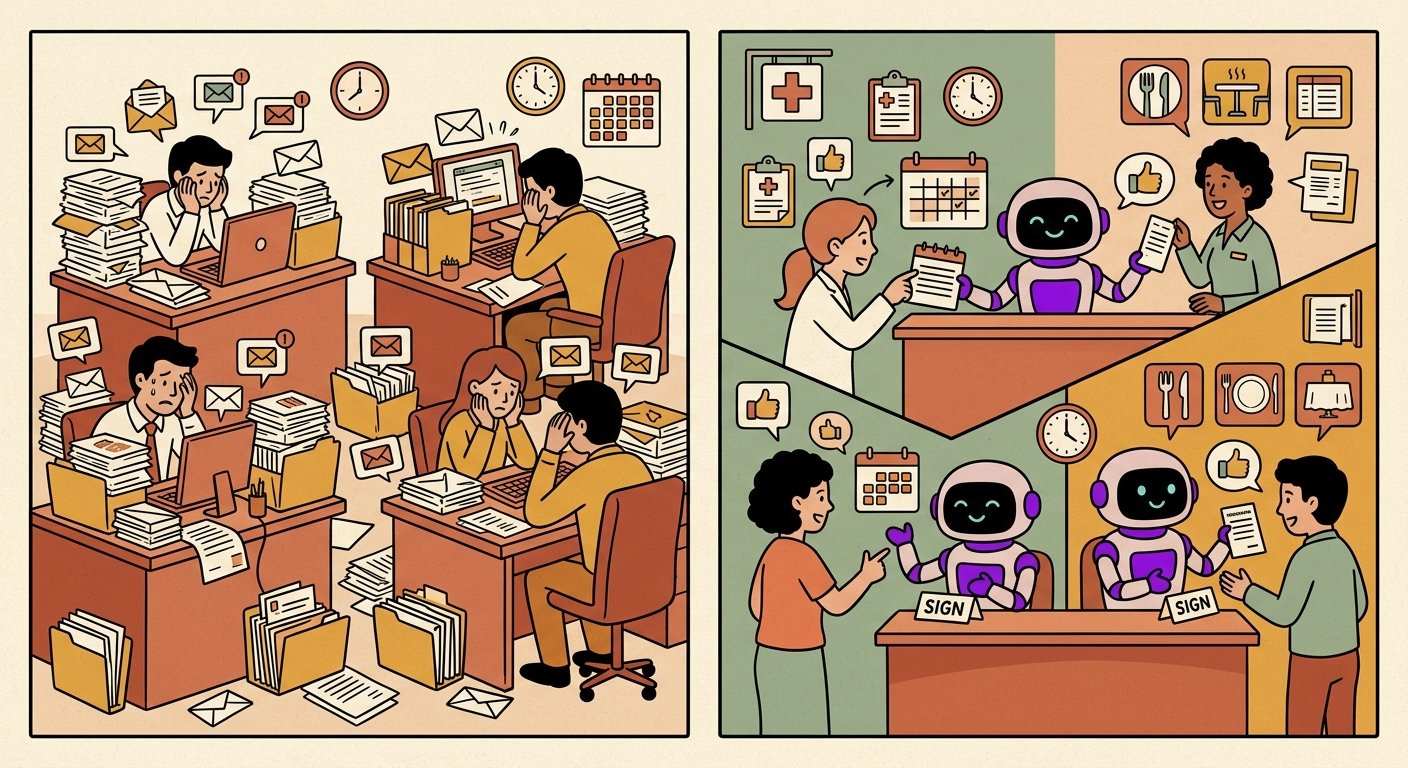
The Real Economics of AI Sales Tools: Why Inbound Conversion Trumps Outbound Automation
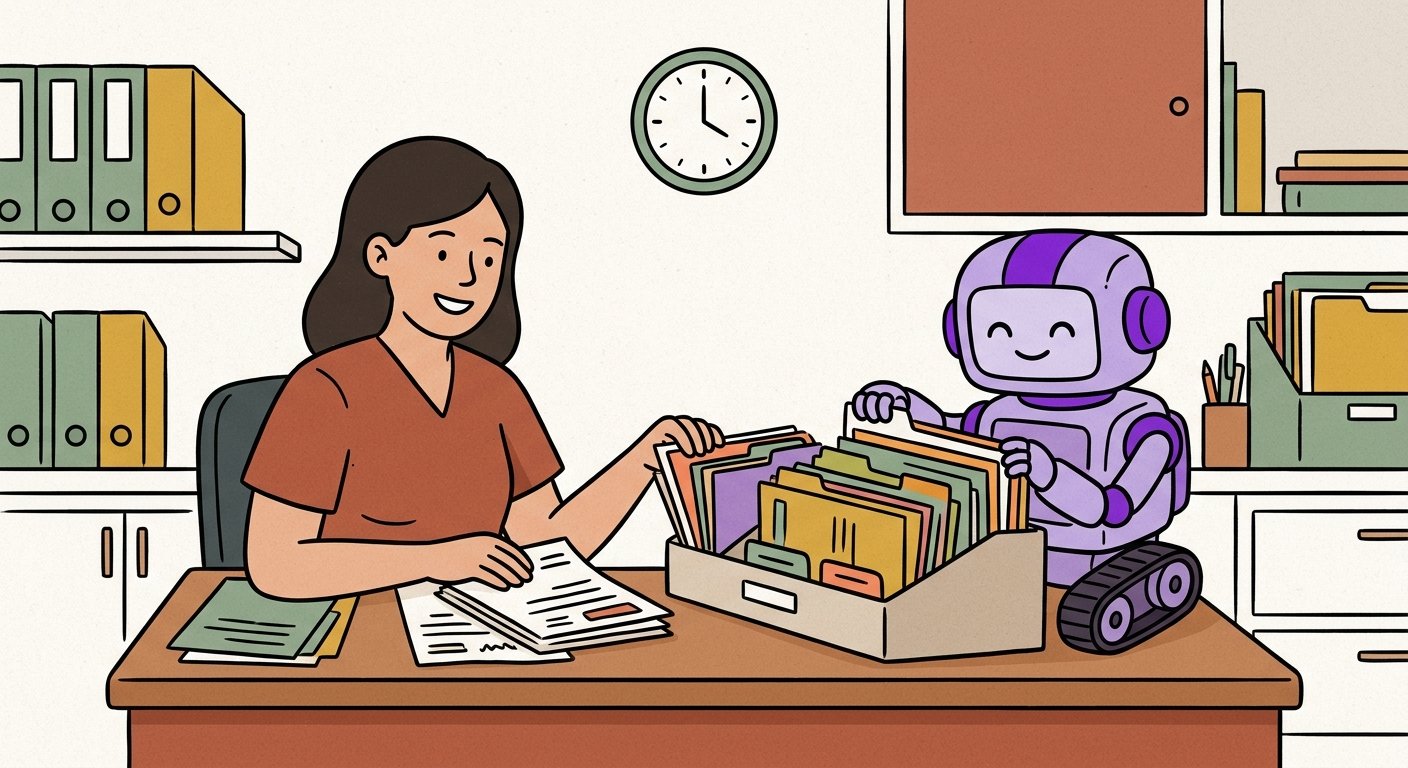
Conversational Patient Intake in Real Clinics: What The Lancet Study Teaches Practice Operators